
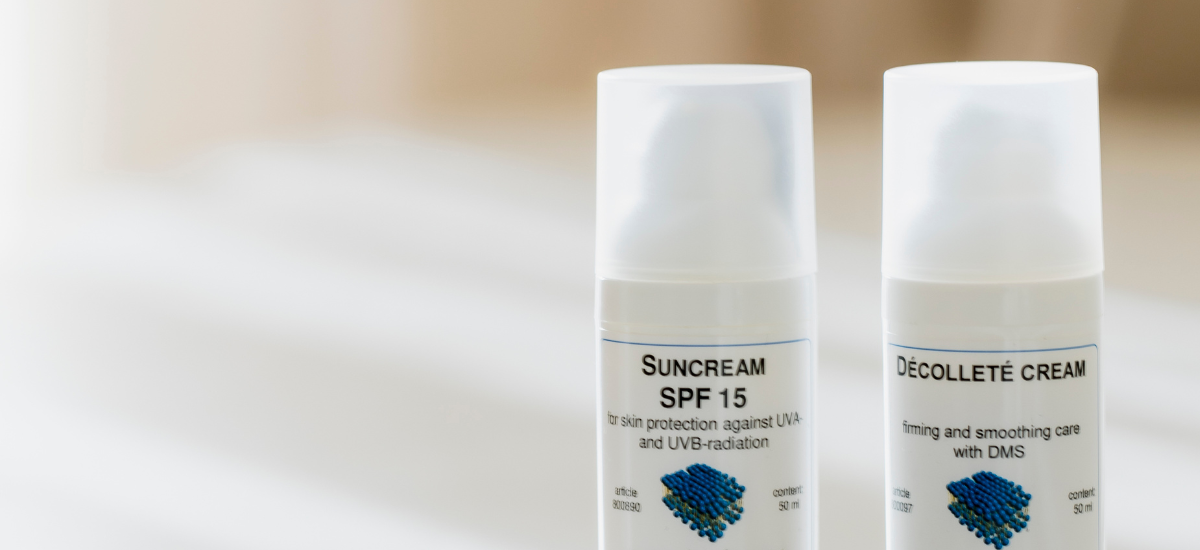
Sun protection is not just about preventing a sunburn. It is about protecting the health, function, and longevity of your skin, the body’s largest organ and your first line of defence against the outside world.
Australia has one of the highest rates of skin cancer in the world, yet sunscreen misinformation continues to spread online, often leaving consumers confused and fearful of the very products designed to help protect them.

Understanding the “Chemical” vs “Mineral” Sunscreen Debate
You may have heard sunscreens described as “chemical” or “physical/mineral.” In reality, this language is outdated and scientifically misleading. All UV filters are chemicals. Zinc oxide and titanium dioxide, commonly referred to as “mineral” filters, are chemical compounds formed when elements bond together. They are not mirrors sitting on the skin acting purely as physical shields.
How UV Filters Actually Protect the Skin
Both “chemical” and “physical/mineral” sunscreens, more correctly known as organic and inorganic UV filters, work primarily by absorbing ultraviolet radiation and converting it into a tiny, harmless amount of heat before that radiation can damage the skin. While a small amount of UV light may be reflected or scattered, absorption is the primary mechanism for both categories.
The chemistry behind them differs, but the protective goal is the same: helping reduce UV-induced skin damage that contributes to premature skin ageing, pigmentation changes, inflammation, and skin cancer development.
The Science Behind Modern Sunscreen Formulation
Modern sunscreen formulation is incredibly sophisticated. Creating a sunscreen that is photostable, cosmetically elegant, lightweight, and protective requires advanced chemistry, carefully selected filters, coating technologies, stabilisers, film-formers, and precise formulation expertise. The quality of a sunscreen is not determined by whether it is labelled “chemical” or “mineral,” but by the overall formulation and whether it encourages consistent daily use.
The Best Sunscreen Is the One You Will Wear
And that is the key point: the best sunscreen is the one you will actually wear.
For some people, that may be a lightweight fluid. For others, it may be a richer cream, a tinted sunscreen, or a zinc-based formulation. Personal preference matters because consistency matters. A sunscreen sitting unused in a cupboard offers no protection at all.
Sun Protection Goes Beyond Sunscreen Alone
It is also important to remember that sunscreen is only one part of a complete sun protection strategy. Protective clothing, broad-brim hats, sunglasses, seeking shade, and limiting excessive UV exposure during peak hours all play an important role in supporting skin health and reducing cumulative UV damage over time.
No sunscreen provides 100% UV protection, which is why correct application and regular reapplication remain essential, particularly during prolonged outdoor exposure, swimming, or sweating.
Protecting the Skin Means Protecting the Body
Your skin is not just something cosmetic. It is a living, dynamic organ that protects your entire body every single day. Looking after it should never be driven by fear or marketing trends, but by science, education, consistency, and informed choices.
Written by Kai Atkinson, Educator, derma aesthetics